Learning and Development (L&D) professionals have started turning to podcasts to share their expertise and influence how organizations approach learning. Appearing as a podcast guest lets Heads of L&D, talent leaders, Instructional Designers, and EdTech specialists present new research, challenge outdated practices, and explain emerging technologies to a wider audience. Yet, expertise alone rarely secures invitations from podcast hosts. In 2025, podcast consumption in the United States reached about 773 million hours weekly, up sharply from 170 million hours in 2015, according to Edison Research. This surge shows podcasts now play a major role in education and workplace learning discussions.
Why Podcast Guesting Matters for L&D
Podcast appearances do more than boost personal visibility. They give L&D professionals a way to shape conversations about learning strategy, highlight new approaches, and connect with audiences interested in education and workplace development. A well-chosen podcast appearance can support broader professional goals and influence how organizations think about learning. Edison Research found that 55% of Americans aged 12 and older listened to a podcast in the previous month in 2025, and 40% listened during the previous week. This reach gives L&D experts a chance to engage with a large and growing audience.
What Podcast Hosts Look For
Hosts usually want guests who can turn their knowledge into focused, valuable conversations for listeners. They look for guests who understand the audience, present a clear point of view, and back up their ideas with evidence. Getting on the right shows takes more than sending generic emails. A repeatable, strategic approach is needed. Podcast audiences often have strong educational and professional backgrounds: 51% of monthly podcast consumers in the U.S. held college degrees and 47% earned at least $75,000 annually, compared to 46% and 43% in the general population. This demographic can be especially relevant for L&D professionals aiming to reach decision-makers and engaged learners.
Developing a Podcast Guest Strategy
Building an effective podcast guest strategy involves several key steps:
- Define your authority: Decide what kind of expertise or leadership you want to be known for within L&D.
- Create episode topics: Shape your knowledge into clear, relevant topics that fit podcast formats.
- Identify suitable podcasts: Research shows that reach your ideal audience and align with your perspective. When evaluating shows, consider download numbers and unique listeners or completed consumption, since these metrics give a clearer picture of actual audience engagement.
- Evaluate show quality: Check if each podcast is active, relevant, and maintains high production standards. Verify the publication date of the latest episodes, consistency of release, and whether prior guests receive meaningful editorial preparation. Directory metrics may help identify candidate shows, but treat them as discovery signals rather than audited evidence of reach or influence.
- Prepare a guest package: Assemble a concise introduction, topic ideas, and supporting evidence to present yourself professionally.
- Craft a targeted pitch: Write personalized messages that focus on how your appearance will benefit the podcast's listeners.
- Prepare and follow up: Get ready for each interview, share the episode after it airs, and track the impact on your professional goals.
Key Questions for Your Strategy
To build a repeatable system, consider these questions:
- Who is your target audience?
- Which topics can you discuss with confidence and authority?
- What unique perspectives do you offer?
- Which podcasts best match your expertise and message?
- How will you pitch, prepare, and follow up after each appearance?
- How does each podcast fit into your broader professional objectives?
Best Practices for L&D Podcast Guests
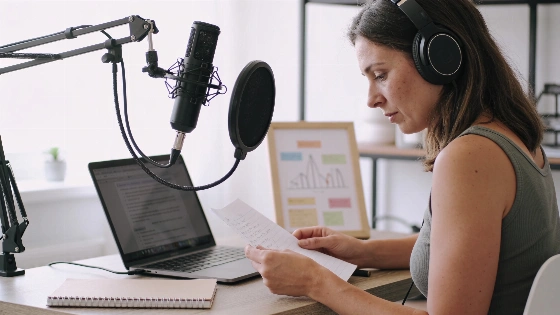
Being a guest is different from hosting your own show. The host sets the format and direction, so your job is to add value within their structure. Avoid using every question to promote your company or services. Focus on helping listeners understand important issues and see their impact so they can make informed decisions about learning and development. As podcast distribution shifts toward audiovisual formats, with 53% of new U.S. weekly listeners in 2025 preferring to watch podcasts (up from 30% in 2022), L&D guests should be ready for both audio and video. This may mean preparing for camera, using clear visual explanations, and paying attention to lighting and sound quality.
Common Mistakes to Avoid
- Sending generic pitches that do not address the podcast's audience or format.
- Failing to prepare clear, evidence-based talking points.
- Over-promoting products or services instead of providing genuine insights.
Turning Appearances into Lasting Value
After each podcast, share the episode with your network and track how it supports your professional goals. Use each appearance to build authority and contribute to ongoing conversations in the L&D field. With U.S. podcast advertising revenue reaching about $2.862 billion in 2025 and platforms like YouTube accounting for a significant share of podcast consumption (37% according to Edison Research), competition for audience attention is high. L&D professionals should connect their appearances to defined outcomes, such as qualified conversations, research dissemination, or invitations to practitioner communities, rather than relying only on industry revenue or download numbers as indicators of personal impact.
For those discussing workforce skills, LinkedIn Learning's 2025 Workplace Learning Report found that 49% of learning and talent-development professionals said their executives were concerned that employees lacked the skills needed to execute business strategy. When referencing such statistics, clarify whether they reflect perceptions, actual capabilities, participation rates, or business outcomes. This distinction helps maintain credibility and ensures that podcast conversations contribute meaningfully to the field of learning and development.
For more practical tips on podcast guesting, see this guide on eLearning Industry.