Small business owners often run into duplicated work and manual errors when they manage employee information across separate payroll and HR platforms. These inefficiencies can drain time and money, especially when tracking attendance or handling payroll by hand.
Understanding Integrated Payroll and HR Systems
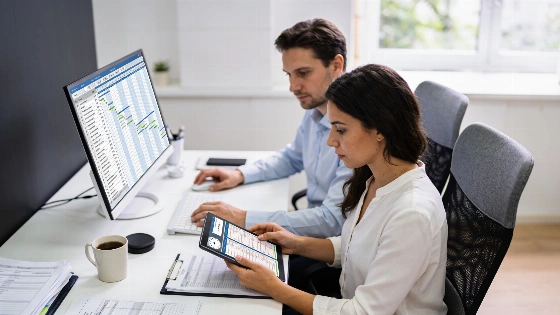
An integrated payroll and HR system links employee management tasks—like payroll processing, benefits administration, and time tracking—on a single platform. HR staff enter information once, and it moves automatically to all the right places. This setup cuts down on mistakes and frees up time for both HR teams and employees.
Digital payroll administration has become standard for many employers in the United States. The Internal Revenue Service reports that over 80% of Form 941 returns and more than 90% of Form 940 returns were processed electronically in 2026. The IRS included these results in its Zero Paper initiative, which turns physical returns into digital data and lowers the number of paper filings. These numbers show how widely electronic payroll-tax processing has caught on, highlighting the role of digital tools in business operations today.
Key Benefits of Integration
Bringing payroll and HR functions together gives small businesses practical advantages. It cuts administrative work, letting HR staff focus on higher-value tasks instead of repeating data entry. With a unified system, payroll details, tax forms, and benefits data only need to be entered once.
Integrated systems also make it easier for employees to access their own information. Self-service features let staff check pay details, available leave, tax deductions, and benefits directly. This helps them understand their compensation and update personal data when needed.
Fewer people entering data means better accuracy and stronger protection for sensitive information. Payroll and HR systems hold confidential details like salaries and social security numbers. Using a single, secure platform can lower the risk of data breaches and expensive mistakes. Still, the National Institute of Standards and Technology (NIST) points out that security depends on more than just centralization. NIST urges small businesses to use basic cybersecurity steps, such as regular data backups and keeping software updated, as described in its guidance for solopreneurs and small firms. Security relies on access controls, patching, backups, vendor practices, and how well a business can respond to incidents.
Integrated solutions also help with regulatory compliance. Automated time and attendance tracking supports wage and hour law requirements, and built-in alerts warn managers about scheduling conflicts or overtime. This helps businesses stay within legal and company rules for pay and scheduling. The IRS’s electronic-filing infrastructure, which includes provider files, test scenarios, and documented "known issues and solutions," shows that payroll and tax systems need ongoing technical checks, configuration, updates, and exception handling. While integration helps keep a single employee record and supports compliance workflows, employers still have to review submissions and fix inaccurate or incomplete information during payroll-tax reporting.
Streamlined processes can lift employee satisfaction. Fast handling of time-off requests, timely reviews, and prompt pay increases all help create a positive workplace. Automated reminders for milestones like benefits eligibility or work anniversaries let HR teams respond quickly and keep employees engaged.
Essential Features to Look For
When choosing integrated payroll and HR systems, focus on features that fit your business. Useful options include an easy-to-use dashboard, employee self-service with cloud access, transparent pricing, automated scheduling and time tracking, and compliance reporting tools. Review each system to make sure it meets your needs. The IRS’s technical documentation and testing artifacts show how complex it is to transmit payroll and tax information across standardized systems, so businesses need solutions that can keep up with changing filing requirements and technical updates.
Choosing the Right Solution
Switching to an integrated payroll and HR system can make employee management simpler, cut errors, and save time for small businesses. By picking a platform that brings payroll, HR, time and attendance, and benefits together, business owners can spend more time on growth and less on paperwork. NIST recommends pairing these platforms with documented security controls, asset inventories, and regular maintenance, rather than relying on them as a full data-protection plan. The NIST Cybersecurity Framework 2.0 offers tools for tracking at-risk assets and completed security steps, which matter for payroll databases, HR portals, administrator accounts, and connected vendors. For more on these best practices, see the NIST guide for solopreneurs and the IRS 2026 performance statement.