
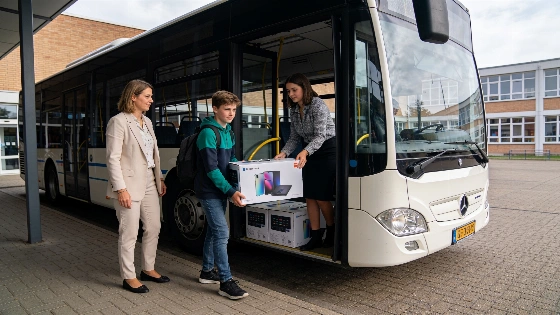
Schools and digital learning programs rely on dependable transportation networks to move students, staff, and essential resources. As digital education expands, knowing where transport systems are strong and where they fall short helps educators, administrators, and learners prepare for issues that could disrupt school routines, online classes, or access to technology.
Why Transportation Matters for Education and Digital Learning
Transport systems—air, maritime, rail, and road—drive economic activity and social mobility. In education, these networks deliver devices, learning materials, and internet connections to both schools and homes. They also make it possible for students and teachers to travel, which is especially important in areas where digital learning depends on physical infrastructure for distributing devices or maintaining steady internet access.
The UK Department for Transport’s Transport Resilience Strategy points out that transport disruptions can ripple through other networks, hitting mobility, energy, communications, and logistics. Because these systems are linked, failures in transport can trigger problems for schools and digital-learning programs that count on timely device deliveries, stable connections, and staff movement. The strategy makes clear that even with more automation, trained people remain essential for keeping transport running during disruptions.
Core Strengths of the Transportation Sector
- Economic foundation: Transport supports trade, industry, tourism, and workforce movement, which helps educational institutions and digital learning projects.
- Barriers to entry: High capital and regulatory demands protect established operators, helping to keep educational logistics steady.
- Resilient demand: Urbanization and e-commerce keep transport needs high, which indirectly supports digital education growth.
- Market concentration: In some areas like rail and maritime, a few providers dominate, making it easier to set up large-scale educational partnerships.
- Cost efficiency: Maritime shipping and rail move bulk goods efficiently, which matters for distributing educational tech and materials.
- Public-sector support: Governments often fund and set policies for strategic infrastructure, which can help educational access projects. The UK government, for instance, has set 22 practical commitments over five to ten years to boost transport resilience, including risk assessment, preparedness drills, and tighter coordination among government, industry, and local partners.
- Digital transformation: AI, automation, and data analytics are making operations more efficient, which could improve educational supply chains. Still, the UK government notes that even with more digital tools, transport depends on people to keep things running safely and effectively.
Key Weaknesses and Risks Affecting Education
- Capital intensity: High costs for investment and upkeep can slow upgrades, which may delay educational resource deliveries.
- Financial and commodity exposure: Shifting fuel and energy prices can disrupt transport schedules, affecting device shipments or school bus routes.
- Cyclical demand: Economic downturns can cut freight and passenger volumes, which might hold up educational projects that need physical delivery.
- Decarbonization pressures: Environmental rules require steady investment, which could pull resources from educational logistics or raise costs.
- Labor shortages: Ongoing gaps in skilled workers can drive up costs and create operational headaches, affecting school transport and educational supply chains. The UK’s strategy includes a Transport Resilience Academy and a sector-wide resilience network to build professional skills and share information.
- Geopolitical and operational risks: Trade disputes, conflicts, and cyber threats can disrupt global supply routes, slowing technology rollouts for digital learning. The UK Department for Transport lists risks like ageing infrastructure, power outages, supply-chain disruption, extreme weather, and cyberattacks that can hit digital and roadside technology.
- Infrastructure dependence: The quality and capacity of transport infrastructure shape how far and how reliably educational technology can reach. In England, 37% of railways and 38% of roads are now in areas seen as vulnerable to at least one source of flooding. By mid-century, projections show 54% of railways and 46% of roads could face flooding risks. Flooding can also knock out electricity, telecoms, and access routes, making digital access tougher for schools and learners.
Sector Trends Relevant to Digital Education
- Geopolitical shifts are changing trade and supply routes, which could affect how schools get devices and connectivity solutions.
- Decarbonization and the move to low-carbon transport may change the cost and speed of getting educational technology where it’s needed.
- AI and automation are reshaping logistics, which could make delivering digital learning resources more efficient. Sensors, machine-learning analytics, and real-time data can help with maintenance and cut delays, but these gains depend on coordinated planning across transport, energy, and communications systems.
- Labor supply and changing workforce needs may affect school transportation and the rollout of educational technology in remote areas.
- Gaps in infrastructure investment could slow digital learning expansion, especially in underserved regions. A peer-reviewed review of UK transport strategies found that about one-third of the strategies did not directly address or plan for climate-change hazards, and only half discussed climate-related risks like floods, storms, and heatwaves in detail.
How Different Transport Modes Affect Education
- Airlines: Air transport allows fast delivery of devices and materials for international education programs. But economic and geopolitical instability can disrupt these channels.
- Maritime: Shipping is key for large-scale device imports and exports. Security risks and regulatory changes can affect delivery times for educational technology.
- Rail: Rail networks, especially those being modernized and electrified, offer reliable ways to move educational resources across regions. The European Environment Agency notes that rail and road infrastructure face growing threats from climate hazards like heat, drought, flooding, landslides, and wildfires, which can damage operations and disrupt educational supply chains.
- Road: Road transport is vital for last-mile delivery to schools and homes. Higher fuel costs and the shift to electric fleets may affect operational budgets for educational institutions. Flooding and extreme weather can also force temporary closures, disrupting the delivery of devices and learning materials.
Practical Considerations for Educators and Administrators
- When planning digital learning projects, check the reliability and risks of local and regional transport infrastructure. The UK government’s resilience strategy treats resilience as a whole-system responsibility, calling for teamwork among government, industry, and local partners.
- Build in time for possible delays or disruptions when scheduling device rollouts, online course launches, or tech upgrades. The European Environment Agency recommends regular stress testing, alternative routes, backup systems, and early-warning tools to keep educational services running.
- Watch for public-sector investments and policy changes that could affect educational logistics and access to digital resources. The UK’s 22 practical commitments for transport resilience include better risk assessment, horizon scanning, and preparedness drills.
- Keep track of labor trends and supply chain risks that might hit school transportation or the distribution of learning materials. The Organisation for Economic Co-operation and Development’s International Transport Forum stresses the need to combine technical performance with social vulnerability and adaptive capacity, since disruptions hit households in different ways.
For more on sector risks and resilience, sector advisors such as Maria Latorre at Allianz Trade offer detailed analysis for organizations working through these challenges. Additional guidance is available from the UK Department for Transport and the European Environment Agency.