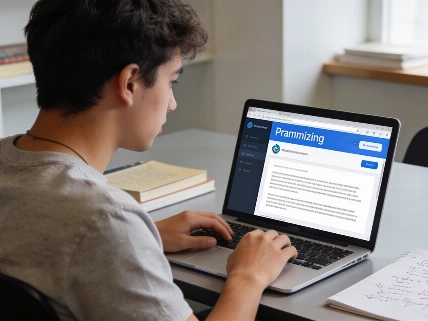
Writers in academia often need to rephrase text while keeping clarity, accuracy for their field, and integrity intact. Avoiding plagiarism is a constant concern. The choice of paraphrasing tool hinges on the writing task, the audience, and what academic publishing expects. Many paraphrasing tools now market themselves as full writing-support platforms, moving beyond simple synonym swaps to offer features that help throughout the academic writing process.
Understanding Paraphrasing in Academic Contexts
Paraphrasing tools rely on artificial intelligence to rework sentences or passages, but their results can differ greatly depending on the situation. Researchers preparing manuscripts for journals often find that basic rewording falls short. Academic writing calls for editing that understands the discipline, meets technical standards, and respects citation rules. Using these tools responsibly means language improvement should not replace the author’s reasoning, source checks, or duty to cite accurately. Users should revise AI-generated text so the final version shows their own thinking and style, as Paperpal’s guidance puts it: “use AI with confidence.”
Paperpal: Discipline-Aware Editing for Manuscripts
Paperpal targets academic writers directly. Unlike general paraphrasers, it is trained on scholarly texts from many fields and offers pre-submission checks aimed at common reasons for desk rejection. These checks cover language quality, technical formatting, and plagiarism screening. Paperpal’s workspace brings together rewriting, trimming, translation, outlining, tone adjustment, AI review, and the creation of manuscript elements like titles, abstracts, keywords, and summaries. The platform also includes a Responsible AI panel, with an AI Footprint feature that marks text generated or edited by Paperpal AI but not yet revised by the user, and an AI Disclosure tool for making statements that fit journal requirements. Paperpal’s editorial team and product managers, such as Shardool Nair, stress that AI help should always support—not replace—the researcher’s responsibility and academic integrity. The platform urges users to “shape AI-assisted drafts into writing that reflects your own thinking and voice.”
QuillBot: Fast Sentence-Level Rewording
Writers who need to quickly rephrase their own sentences can use QuillBot, which offers a paraphrasing tool and a plagiarism checker as separate features. The paraphraser changes wording, while the plagiarism checker looks for overlap. QuillBot’s product descriptions present it as a writing-assistance tool, not a replacement for author judgment or citation review. The platform works well for multilingual writers seeking a second opinion or for occasional rewording, but it does not offer discipline-specific editing or journal-compliance tools. QuillBot’s AI-powered paraphrasing tool is promoted as a way to improve writing, and its plagiarism checker lets users “quickly and accurately review all instances of plagiarized writing.” Premium plans add the plagiarism checker, with pricing and word limits that may change.
Jenni.ai: Drafting with Citation Support
Jenni.ai serves as a drafting environment rather than a standalone paraphraser. Its citation-aware autocomplete can suggest references from a user's Zotero or Mendeley library, making it useful for long academic projects like theses or dissertations. Rewriting happens during drafting, with citations attached to suggestions. Jenni.ai focuses less on polishing near-final manuscripts and more on supporting extended academic writing workflows.
SciSpace: Enhancing Comprehension for Literature Review
SciSpace stands out for helping users understand source material, which often underpins weak paraphrasing. By offering explanations and supporting literature review, SciSpace addresses comprehension instead of just rewording. It is most helpful early in the research process, before drafting or rewriting starts.
Responsible Paraphrasing and Academic Integrity
Responsible use of paraphrasing tools is key to upholding academic integrity. The most reliable way to avoid plagiarism is to read the source until the idea is clear, set it aside, write the concept in your own words, check for accuracy, and always cite the source. Patchwriting—keeping the original structure but swapping synonyms—remains a common pitfall and is often treated as plagiarism by academic institutions. Paraphrasing tools should be used on your own writing, not as a shortcut for rewriting source material without credit. Paperpal frames AI use as an ethical research matter, not just a productivity issue, with academic experts like Faheem Ullah and product managers such as Shardool Nair advising researchers to “use AI responsibly while maintaining academic integrity, research accuracy, and critical thinking.”
Institutional Policies and Disclosure
Many universities now require writers to disclose paraphrasing tool use in assessed work, and departmental rules may vary. Researchers should check their institution’s guidelines before submitting manuscripts. A clean result from a plagiarism checker only means string matching did not find overlap; it does not guarantee originality. The duty to cite covers ideas, findings, arguments, and structures, not just direct quotes. Paperpal’s AI Disclosure feature helps users create disclosure statements for specific journals or general use, reflecting the growing need for transparency in AI-assisted writing.
Considerations for Multilingual Researchers
Researchers writing in English as an additional language often turn to paraphrasing tools for clarity and natural phrasing. These tools can help fill the gap in access to native-speaker feedback. However, AI detectors may flag text by non-native writers more often, since some language features overlap with machine-generated content. Keeping drafts and documenting the writing process can show evidence of original work if questions come up. Paperpal’s integrated workflow and revision-focused features are built to help users spot and take responsibility for AI-edited text, supporting transparency and academic integrity.
Summary Table: Tool Suitability
ToolBest ForKey Features
Paperpal | Manuscript editing for journal submission | Discipline-aware, pre-submission checks, rewriting, trimming, translation, outlining, tone adjustment, AI review, manuscript component generation, Responsible AI panel, AI Footprint, AI Disclosure
QuillBot | Quick sentence-level rewording | Paraphraser and plagiarism checker as separate functions, writing-assistance focus, premium adds plagiarism checker
Jenni.ai | Long-form drafting with citations | Citation-aware autocomplete, integrates with reference libraries
SciSpace | Literature review and comprehension | Chat-with-PDF, source explanation, supports understanding
How to Paraphrase Without Plagiarizing
- Read the source until you fully understand the idea.
- Set the source aside before writing.
- Express the idea in your own words, focusing on your argument.
- Check the rewritten passage against the source for accuracy, not for phrasing.
- Always cite the original source.
Following this process helps prevent patchwriting and keeps paraphrased content in line with academic integrity. As Paperpal’s educational materials point out, the aim is to use these tools well without losing accuracy, originality, or academic standards.
Final Considerations
For manuscript preparation, discipline-aware tools like Paperpal give an edge over generic paraphrasers by supporting integrated research and manuscript workflows and offering features for responsible AI use and disclosure. For quick rewording of your own sentences, QuillBot’s paraphrasing and plagiarism-checking tools are practical for general writing help. Long-form projects may benefit from Jenni.ai’s citation features, while SciSpace aids deeper understanding during literature review. No matter the tool, the duty to attribute ideas and findings stays with the writer. There is no government regulator, court decision, or statutory rule that specifically covers paraphrasing tools, but leading platforms and academic experts stress responsible use and academic-integrity safeguards.
Editorial disclosure: Some links in this article are CASRAI referral links, which may support nonprofit initiatives if used. The recommendations come from independent editorial research.