Organized drug networks have brought lasting challenges to urban neighborhoods. Their reach often stretches well beyond city limits, affecting crime rates and reshaping the social and educational landscape. Alberto “Alpo” Martinez’s trajectory shows how narcotics groups can move across cities and states, using distributed networks and local enforcers instead of staying rooted in one place. Martinez started selling drugs as a teenager in East Harlem, then grew his operation into Washington, D.C., where he became linked to major cocaine distribution in the 1980s, as reported by Complex contributor Bernadette Giacomazzo (Complex).
The Structure of Drug Networks
Major drug operations usually build layered hierarchies and distribution systems. People like Martinez, who began in one city, often pushed their reach into other regions by relying on local associates and enforcers to keep control. This kind of expansion can trigger more violence and instability in new areas, disrupting daily routines and putting community safety at risk. Martinez’s partnership with Washington, D.C., enforcer Wayne “Silk” Perry shows how trafficking groups depend on actors in different locations for distribution, protection, and enforcement.
Federal authorities eventually targeted Martinez’s criminal enterprise. In 1991, he was arrested on federal drug-trafficking and murder-related charges, reflecting the era’s push to prosecute major cocaine organizations. Facing life in prison or the death penalty, Martinez agreed to cooperate with the government and testified against former associates, including Perry. This led to a 35-year sentence, but Martinez was released in 2015 after serving far less than a full life term. His background as a Harlem drug dealer turned government informant inspired the character Rico in the film Paid in Full and fueled years of hip-hop references, according to Complex.
Consequences for Education and Youth
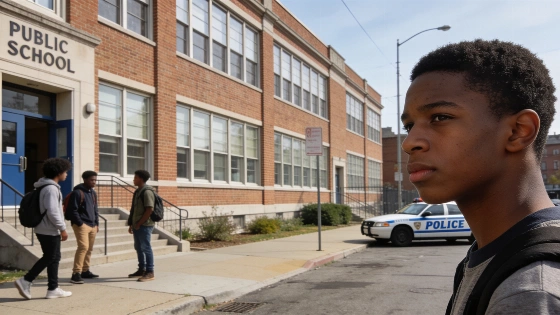
Drug networks in urban areas can directly affect educational opportunities. Schools in these neighborhoods may see higher absenteeism, fewer resources, and more security concerns. Young people sometimes get pulled into these networks, either through pressure or because they lack other options, which can disrupt their education and limit future choices. There are no authoritative statistics that isolate school absenteeism, youth recruitment, or educational-resource losses specifically tied to Martinez’s network, but the broader pattern of disruption is well documented in urban communities affected by similar operations.
Community Response and Support
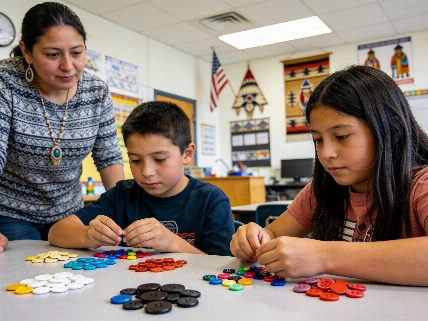
Countering the influence of drug operations takes coordinated work from educators, community leaders, and local organizations. Programs offering mentorship, after-school activities, and counseling can help reduce some of the risks students face in these settings. Building strong community ties and providing practical support are key steps for promoting resilience and educational progress.
Legacy and Ongoing Impact
Martinez’s story continued after his release from prison. On October 31, 2021, around 3:30 a.m., he was shot five times while sitting in a Dodge Ram near West 147th Street and Frederick Douglass Boulevard in Harlem. He was 55 years old. Police first identified him as Abraham Rodriguez, a name he used after prison. Shakeem Parker was later charged in the case but was acquitted in July 2024. Martinez’s death kept drawing cultural and media attention, including a planned Halloween 2026 microseries, The Ghost of Wild Bo, loosely based on his life and set for release on the fifth anniversary of his killing.
The public legacy of figures like Martinez shows how real drug-market actors can become lasting cultural symbols, shaping media, film, and music long after their criminal cases end. Still, this cultural afterlife does not serve as evidence about current drug-network activity or present crime conditions in Harlem or Washington, D.C.