Organizations often put resources into training but find that employee performance or business results barely shift. The main issue comes from treating learning as a set of disconnected events instead of weaving it into daily operations. A connected learning ecosystem ties learning activities to real work, performance targets, and team growth. Projects like the U.S. Department of Education’s Adult Skills Assessment Project (ASAP) are building digital banks of assessment tasks that can be tailored for adult education, workforce development, and career counseling. This supports a model where diagnosis, instruction, and career planning link directly to employment outcomes (IES Adult Skills Assessment Project).
What Is a Connected Learning Ecosystem?
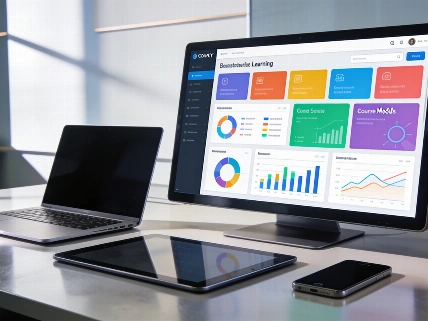
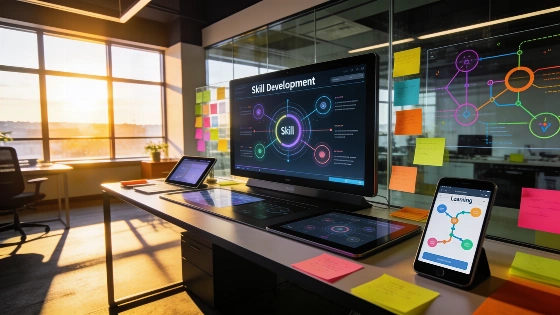
Instead of relying on occasional workshops, a connected learning ecosystem uses digital tools and platforms to keep training aligned with real workplace needs all year. Learning becomes part of daily routines, backed by technology and clear performance goals. Nevada’s Individual Career Mapping (ICM) program, for example, combined virtual-reality career exploration with assessment and personalized planning. This led to a 43% jump in labor-market-literacy scores among participants who had matched assessments (Nevada Governor’s Office of Economic Development).
Align Training With Performance Using Backward Design
To build an effective learning ecosystem, start by pinpointing the performance outcomes that matter most. Backward design sets these outcomes as the main targets for all training. Define what success looks like for each role or team, then identify the skills and behaviors needed to reach those results.
Still, not every gap in performance comes from missing skills. The Behavior Engineering Model by Thomas Gilbert helps sort out which issues training can fix and which need changes in expectations, resources, or incentives. This model looks at data, tools, motivation, and capacity. It helps focus upskilling where it will matter most. Federal workforce program rules, such as those for the Trade Adjustment Assistance Program, require organizations to track both training participation and post-training outcomes like employment rates, credential attainment, and measurable skill gains. This highlights the need to tie training to real-world performance (20 CFR § 618.864).
Standardize Skills Language Across the Organization
After identifying key skills, define them clearly and use the same language everywhere. Get input from employees, managers, and stakeholders to make sure everyone understands what each skill looks like in action. A dedicated skills platform can help keep definitions consistent and track development, making it easier to match training to business needs.
Standardizing skills language also helps teams work together and keeps learning efforts relevant. For organizations with complex or spread-out teams, a unified skills language makes it easier to track progress and spot gaps. The ASAP project, for instance, links assessment tasks to occupational competencies in the federal O*NET system. This connects academic skills with specific jobs and occupational clusters, supporting a connected-learning approach.
Integrate Learning Into Daily Workflows
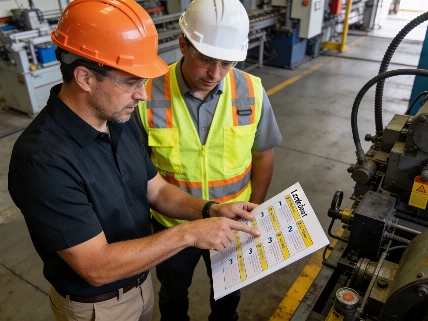
When learning fits into daily work, it sticks better. Give employees quick access to resources like short videos, job aids, or checklists right when they need them. Break training into small pieces that fit into daily routines, and use mobile-friendly content and notifications to keep participation steady.
Guided learning pathways let employees practice new skills on the job. Micro-learning modules make it possible to learn during short breaks. This approach keeps disruption low and supports steady improvement. In Illinois, public workforce programs reported 7,600 participants completed training in one year. The adult employment rate in the second quarter after exit reached 76.5%, and the credential-attainment rate hit 74.0%. These numbers show the value of tying learning to measurable outcomes.
Empower Managers to Reinforce Learning
Managers have a key role in keeping a connected learning ecosystem going. Give them tools for structured one-on-one talks, shared agendas, and interactive prompts that turn regular check-ins into coaching moments. Real-time, skills-based feedback means achievements and growth areas get attention quickly, not just at annual reviews.
Tracking goals and performance insights helps managers link daily work to bigger objectives and spot development opportunities. With the right resources, managers can help turn learning into real performance gains. Federal personnel rules stress the need for systematic development for supervisors and managers, including mentoring and ongoing performance improvement, instead of treating leadership learning as a single event.
Facilitate Peer-to-Peer Learning and Collaboration
Social learning works best when employees can easily reach out to colleagues for support, feedback, or mentorship. Learning management systems with peer-to-peer tools—like skills-matching directories and feedback channels—make it simple to find mentors or share expertise across teams. This setup encourages ongoing development and lowers the barriers to asking for help or offering guidance.
Organizations designing learning experiences for limited internet access may find strategies from this related guide useful. The New World of Work program in California community colleges combined classroom instruction with work-based learning and credentialing. Researchers recommended involving employers through soft-skills-centered check-in meetings with work supervisors to reinforce learning and workplace relevance.
Building a Sustainable Learning Ecosystem
Building a connected learning ecosystem takes ongoing effort. Platforms that give a full view of skills, performance, and development opportunities help organizations maintain this environment over time. Connecting people to the right resources, mentors, and learning experiences lets organizations move past one-off training and reach lasting business results. Programs like Nevada’s ICM, which saw a 94.7% National Career Readiness Certificate attainment rate among participants, and Illinois’ workforce initiatives, which tracked measurable skill gains and employment retention, show the impact of a connected approach. For more on building actionable assessments and linking learning with occupational outcomes, see the IES Adult Skills Assessment Project and related research.