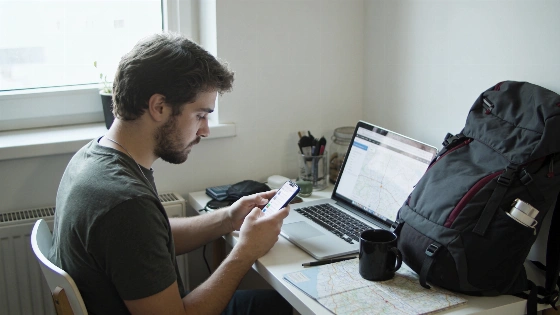
Getting ready for a study abroad program means more than just packing and booking tickets. Students often face hurdles with local customs, language, and daily routines in unfamiliar places. A variety of mobile apps can help bridge these gaps and ease the adjustment. The U.S. Department of State advises students to research local laws, health, crime, currency, entry rules, and unstable areas before departure. Navigation and translation apps can help, but they should supplement official country information and advice from local institutions. The State Department reminds travelers, “Before you travel, it is always a good practice to investigate the local conditions, laws, political landscape, and culture of the country.”
Communication and Staying Connected
Keeping in touch with friends and family matters to students abroad. Messaging apps like WhatsApp and Viber let users send texts, images, and videos over the internet, which helps avoid expensive international SMS or calls. WhatsApp also offers voice and video calls, making it easier to connect across distances. Skype is still a go-to for video chats and calls, especially for families already familiar with it. Some features, such as calls to mobile numbers, may require payment.
The U.S. Department of State warns students against assuming private messaging apps are safe for relationships or financial decisions online. In a 2026 Foreign Press Center briefing, a representative for U.S. Attorney General Pamela Bondi pointed to risks of online fraud and social engineering, specifically mentioning WhatsApp and Signal. Students should verify identities, avoid sending money based on online relationships, and use university or government emergency contacts if something feels off. The briefing stated, “Never, ever move money based on a relationship that was started online.”
Language Support and Translation
Language differences can make daily life harder. Google Translate gives instant translations for written and spoken phrases, helping users read menus, signs, and conversations. iTranslate covers English and many other languages, including Arabic, Chinese, French, German, and Japanese. For pronunciation, (How to) Pronounce lets users hear words spoken aloud in dozens of languages, which can boost confidence in everyday exchanges.
Navigation and Local Discovery
Reliable navigation tools help students get around new cities. Google Maps offers directions for walking, driving, and public transit, plus offline options. Rome2Rio lets students compare travel choices between cities, including buses, trains, and flights. Uber is available in many countries for arranging rides, though local alternatives may be more common in some places. AroundMe and Yelp help find nearby banks, restaurants, grocery stores, and other essentials. SitOrSquat helps locate public restrooms, with user ratings for cleanliness.
European data-protection authorities, including the European Data Protection Board (EDPB), have flagged smartphones and apps as places where young people may share personal information and leave lasting digital traces. The EDPB warns that many apps collect user data, and without safeguards, users could face privacy risks or harmful content. This is especially relevant for students using messaging, translation, ride-hailing, mapping, accommodation, and local-discovery apps abroad, since these tools may process location, contact, identity, or behavioral data. The EDPB’s privacy-education initiative covers all 27 EU Member States plus Iceland, Liechtenstein, and Norway, for a total of 30 jurisdictions. The EDPB has set up a “Privacy for Kids” hub with resources for parents, teachers, and educators on online privacy and app-related risks, showing a broader push for privacy literacy. More details are available from the European Data Protection Board.
Travel Planning and Accommodation
Apps like Kayak and Hopper make travel planning easier. Kayak lets users search for flights and set alerts for price changes. Hopper analyzes flight data to predict the best times to book. Airbnb connects students with local hosts and unique places to stay, from apartments to farmstays, often at prices that fit student budgets. These platforms can also offer insights into neighborhoods and local culture.
Daily Life and Practical Tools
WeatherBug provides current weather forecasts, helping students plan their days and pack the right clothes. XE Currency gives real-time currency conversion, making it easier to track expenses and understand local prices. Tunnel Bear offers a virtual private network (VPN) service, which can be important in countries with internet restrictions or for protecting personal data on public Wi-Fi.
Capturing and Sharing Experiences
Many students want to document their study abroad experiences. Instagram and VSCO let users capture, edit, and share photos, with tools for filters and organizing memories. Instagram also allows sharing content across other social platforms and can help students research destinations using hashtags and location tags.
Student-Centered Recommendations
Rayka is a platform where students share tips and recommendations for popular study abroad spots. Unlike official guides or adult advisors, Rayka focuses on peer-to-peer insights, helping students find places and activities that match their interests and needs.
Considerations for Choosing and Using Apps
When picking apps for studying abroad, check if they work with your device, are available in your destination country, and what account or payment steps are needed. Some services may be blocked in certain regions, and features can differ between platforms. Always review privacy settings and data permissions, especially for communication or location-based apps. For students with accessibility needs, look for language support, offline use, and accessible interfaces. The European Data Protection Board notes that “many apps collect their data, and without proper safeguards, they could be exposed to harmful content and leave long-lasting digital footprints.” Students should use privacy-education resources and stay alert about their digital footprint while abroad. For official travel safety guidance, visit the U.S. Department of State.