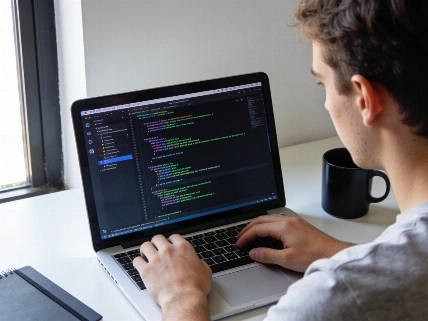
Project management in the real world means staying flexible, responding to new requests, and refining work until it meets expectations. Developers often see these patterns in both software and daily routines. When Diwali approaches, the festival’s preparations echo the way teams use Git version control—each new idea or family request can trigger another update.
Connecting Festival Traditions with Version Control
Diwali, or Deepavali, is described by India’s Press Information Bureau as a living, multi-day tradition with oil lamps (diyas), rangoli, sweets, home decoration, rituals, gift exchange, and community gatherings. The festival stands for renewal and prosperity, with light overcoming darkness. Regional differences reflect India’s cultural range. The government points out that Diwali practices connect generations, follow agricultural cycles, and support social bonds and traditional livelihoods. Cleanliness, family involvement, and community interaction come up again and again. As the PIB states, "The Festival of Lights is a living tradition carried forward by communities, continuously recreated across generations, supporting social cohesion and contributing to development." Press Information Bureau.
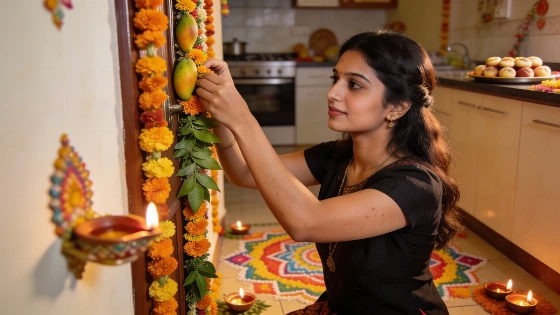
Getting ready for Diwali means tackling creative and practical tasks: making decorations, designing rangoli, arranging diyas, and preparing festive food. Each task can feel like a new commit in a Git repository. For instance, making a toran—a door hanging with marigold flowers and mango leaves—often serves as an initial commit that sets the project’s base. This tradition, passed down in families, shows how some elements become essential to a workflow, just like a project’s core files.
Experimentation and Iteration in Practice
Developers experiment with code, and festival preparations often involve trying new designs or materials. Adding pearls or mirror pieces to decorations works like introducing features or enhancements in a codebase. Sometimes the outcome matches the plan, but adjustments are common. This cycle mirrors how developers use Git to track changes, test ideas, and adjust or roll back commits as needed.
Deepavali lasts five days, each with its own meaning and set of tasks, giving room for creative iteration (PIB backgrounder). The festival also supports artisans and traditional skills, with activities like making earthen diyas and hand-crafted decorations providing income for local communities.
Handling Unexpected Changes and Hotfixes
Surprises happen in every project. Running out of flowers during decoration or seeing a rangoli design turn out differently than planned is much like hitting bugs or missing dependencies in software. Developers respond with hotfixes and quick updates—sometimes that means another market run or a last-minute code patch. The ability to adapt quickly matters in both festival planning and programming.
Government campaigns have pushed for environmentally responsible changes, such as the "Swachh Diwali, Shubh Diwali" initiative, which encourages reducing and reusing materials, buying local, sorting waste, and cutting plastic use. Examples include blue and green waste bins at busy spots, nighttime cleaning drives, composting flowers, and using biodegradable plates made from paper, banana leaves, shell leaves, and clay. In Rajasthan and the Andaman and Nicobar Islands, residents were urged to bring household waste from Diwali cleaning to Reduce, Reuse and Recycle centres. In Melaghar, Tripura, women’s self-help groups made earthen diyas, while in Guwahati, banana leaves collected after celebrations became elephant feed. Other creative reuses included turning fabric scraps into streamers, cardboard into selfie frames, and old ice-cream sticks into hanging decorations (PIB Features).
Version Control in the Kitchen
Diwali celebrations often move into the kitchen, where making sweets and festive dishes becomes a group effort. Each family member may want a different treat, turning the menu into a living requirements document. Managing these requests, tracking missing ingredients, and organizing tasting sessions works like reviewing code, prioritizing issues, and gathering feedback before a release. This process shows how version control concepts help teams coordinate and deliver results that satisfy everyone involved.
The festival season also matters for local markets and the broader Indian economy. Initiatives like the Khadi Diwali Fest, which started on October 31 and offered a 20% discount on Khadi products and a 10% discount on Village Industry products, connect festive shopping with artisans, weavers, rural entrepreneurs, and their families. Officials have described buying "Swadeshi" products as a key way for citizens to support the national economy and local jobs.
Learning from Hands-On Experience
For programming learners, drawing connections between daily activities and development workflows can make abstract ideas easier to grasp. Building something by hand—whether a decoration or a piece of code—teaches patience, problem-solving, and the value of iteration. Git gives a structured way to manage changes, document progress, and recover from mistakes. Practicing version control on real projects, even outside software, helps reinforce these skills and prepares learners for collaborative development environments.
Environmental responsibility now plays a bigger role in Diwali preparations. In Tamil Nadu, officials have urged the public to use only permitted "green crackers" made according to CSIR-NEERI guidance, with consumers told to check for the green-cracker logo and verify authenticity with a QR code. Dr. V. K. Rajeev, Tamil Nadu Minister for Environment and Climate Change, stressed the need to celebrate more while polluting less, noting that fireworks can raise PM2.5 and PM10 levels, especially during the Northeast Monsoon when low wind and high humidity trap pollutants near the ground. In Wokha district, Nagaland, the Deputy Commissioner issued an order banning the manufacture, sale, purchase, and use of firecrackers with barium salts, citing Supreme Court proceedings and requiring community celebrations in pre-approved areas.
Traditions and Personal Workflow
Every developer and family has routines that shape their approach to projects. Recognizing these habits can help learners see the value of process and documentation in programming. Whether it’s a favorite recipe, a handmade decoration, or a carefully written commit message, these details shape a project’s identity and outcome. Diwali’s evolving practices, promoted by the Government of India, show how traditions can adapt through reuse, recycling, reduced plastic use, and community involvement, while keeping the festival’s core spirit of renewal and togetherness.
In December 2025, Deepavali is scheduled for inscription on UNESCO’s Intangible Cultural Heritage list at the Intergovernmental Committee session in New Delhi. This will make it the 16th Indian element on that list and further highlight its lasting cultural importance.