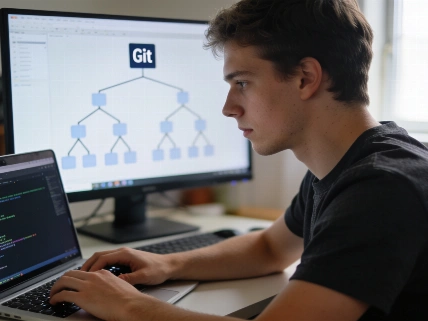
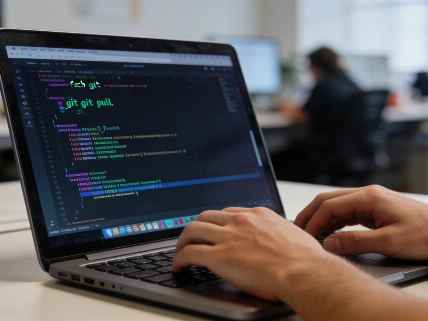
How git fetch git pull and git pull rebase shape your workflow
Explore how git fetch, git pull, and git pull --rebase affect your local branches, handle divergent histories, and help you manage updates in collaborative development.
Learn how to use Git branches to manage features, fixes, and experiments without disrupting your main codebase. This guide covers essential branch commands and practical tips for effective version control.
Git SSH signature verification ensures that a commit was signed by a specific key, but confirming the key's owner depends on the repository's trust file. Learn how allowed signers files work and why they matter for secure development workflows.
Learn how to quickly reverse mistakes in Claude Code using the /rewind command, checkpoints, and Git version control. This guide explains what each undo method can and cannot fix, and shows how a simple saving habit can protect your work.
Learn a step-by-step routine for reviewing, managing, and undoing AI-generated code changes using Git, with a focus on practical safety and workflow clarity.
Explore how Git distinguishes between boolean values and executable commands in the core.fsmonitor setting, and learn why precise parsing is essential for repository security and predictable behavior.
Learn how to use Git's interactive rebase to combine, reorder, and clean up confusing commit sequences, turning scattered changes into a readable project history.
Explore how Git branching and merging workflows help developers work together on the same project, resolve conflicts, and integrate changes efficiently. Learn the essential commands and strategies for collaborative software development.
Learn how to mirror server-only files into a Git repository manifest to detect and manage configuration drift without altering your production server.
Learn how to restore lost commits in Git after a hard reset, deleted branch, or rebase error using reflog and fsck. This guide explains step-by-step recovery methods for typical mistakes, with real command examples and practical advice for beginners.
Learn how to use Git for tracking code changes and collaborating on projects with this step-by-step introduction to the most important commands.
A recent encounter with a stealthy Git merge revealed obfuscated malicious code in a project repository, underscoring the importance of vigilant code review and secure credential management for developers.
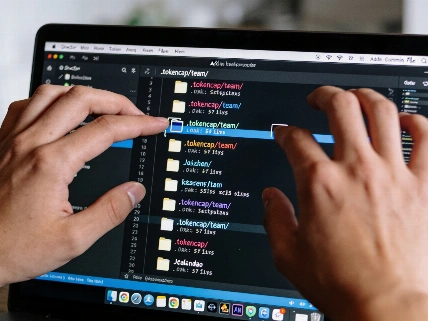
Learn how TokenCap v3.0 enables teams to store rules, decisions, and approvals directly in a Git repository using append only files, supporting transparent collaboration without extra servers or accounts.
Learn how to generate precise lastmod dates for your Astro site's sitemap using Git commit history, avoid common pitfalls with Vercel's default shallow clone, and ensure your static site delivers trustworthy update information to search engines.
A detailed look at two weeks of Claude Code transcripts reveals that subagents handle most shell commands while main sessions take on nearly all risky git operations, offering insight into parallel session workflows and command safety.
Learn how interactive rebase empowers developers to rewrite Git history, combine or split commits, change commit order, and safely remove mistakes, with step-by-step examples and essential precautions.
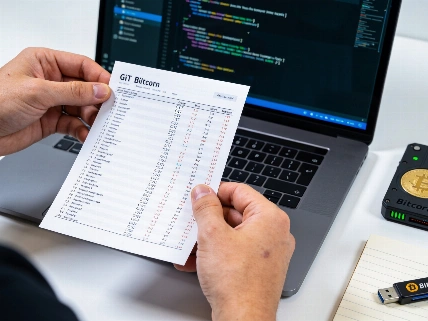
Learn how to create a verifiable record of programming predictions using SHA-256 hashes, Git version control, and Bitcoin blockchain timestamps. This guide explains a workflow for public proof that coding forecasts were made before outcomes, with practical steps for reproducibility.
Discover how writers can use five core Git commands to track changes, recover lost paragraphs, and organize article drafts with confidence.
Many developers rely on a handful of familiar Git commands, but real efficiency comes from understanding the core ideas behind version control. This guide explains the essential concepts that make Git less intimidating and more powerful for everyday coding.
New developers often encounter confusing Git errors that can disrupt their workflow. This guide explains the meaning behind frequent Git problems and provides step-by-step solutions for each, helping beginners build confidence with version control.
Learn how git merge, rebase, and squash affect your project's commit history and discover when each method is best for your workflow. This guide uses tested examples to clarify the impact of each approach.
Learn how git rebase can help you maintain a readable project history, when to use it instead of merge, and how to handle conflicts with real-world examples.
Explore how the process of preparing for Diwali can resemble managing a Git repository, from creative changes to last-minute fixes. This article connects festival traditions with practical version control concepts for learners interested in programming workflows.
Scripts that assume Git's default branch is named master may break as Git prepares to switch the default to main. Learn how to make your automation robust across different environments.
Learn how to use Git's reflog, detached HEAD state, stash, and the staging area to recover lost commits and manage your changes effectively.
Discover which Git commands truly matter for everyday development, how to use them effectively, and which risky habits to avoid for safer, more efficient version control.
Rolling back a deployment may restore your application code, but it does not automatically undo database migrations. Learn why this matters and how to manage schema changes safely in real-world development workflows.
Put your advanced Git skills to the test with this interactive quiz designed for Python developers. Explore key concepts like commit navigation, stashing, diffs, history rewriting, and troubleshooting.
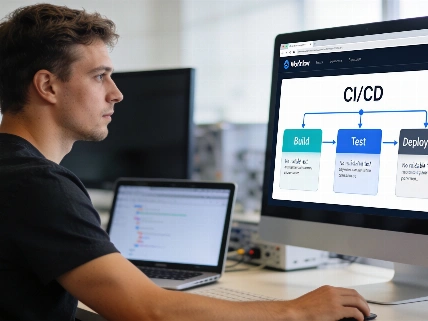
Learn how continuous integration and continuous delivery (CI/CD) pipelines transform software development by automating builds, testing, and deployments. This guide explains essential practices, tools, and strategies for implementing CI/CD workflows that support rapid, reliable application delivery.