Ongoing stress can throw off daily routines and take a toll on both mental and physical health. When stress lingers, the nervous system releases hormones like adrenaline and cortisol. These hormones help the body respond to challenges, but if they stay elevated, the body struggles to regain balance. This can bring on headaches, trouble sleeping, muscle tightness, and shifts in mood.
Recognizing Stress and Its Effects
Stress can appear as appetite changes, sleep problems, stomach discomfort, muscle aches, fatigue, trouble concentrating, mood swings, or irritability. Symptoms differ from person to person, and reactions to stress vary depending on the situation. Guidance from the Centers for Disease Control and Prevention (CDC) and the National Institutes of Health (NIH) points out that managing stress involves more than relaxation. It also includes sleep, physical activity, social support, and addressing personal stressors. The Ministry of Social and Family Development in Singapore notes that "sleep helps your body and mind to recover" and recommends keeping a steady sleep schedule to aid both physical and mental recovery (official guidance).
Practical Relaxation Techniques
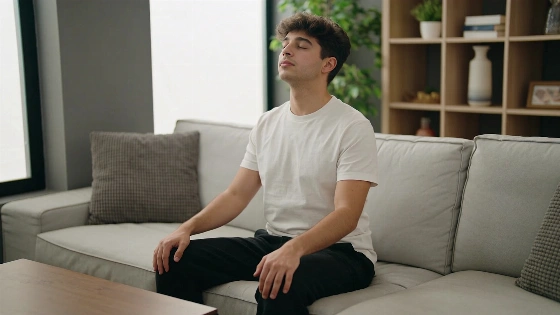
Adding relaxation strategies to daily habits can help manage stress and boost wellbeing. Slow breathing—counting to three while inhaling and exhaling—can settle the nervous system. The CDC suggests slow, deep breaths to interrupt rising stress. Mindfulness means paying attention to the present and calmly noticing surroundings and feelings. Visualization involves picturing a peaceful place and using the senses to create calm.
Progressive muscle relaxation asks you to tense and release muscle groups, starting at the toes and moving upward. Positive affirmations use supportive self-talk to challenge negative thoughts, while transformations turn negative thinking into positive mental images. Practicing gratitude by writing down things you value can help shift focus away from stress.
Meditation and yoga are established ways to manage stress and sharpen focus. Physical activity—walking, team sports, or dancing—can also lower stress. The CDC and NIH recommend adults get at least seven hours of sleep each night and a total of 2½ hours (150 minutes) of physical activity weekly, which can be split into shorter sessions. Walking, stretching, and other moderate activities are good starting points, especially for those who find intense exercise difficult (Julia Flynn Counseling). The Ministry of Social and Family Development suggests a daily walk of 20 to 30 minutes and keeping sleep and wake times regular. Cutting back on screens before bed and choosing calming activities like reading or light stretching can help with sleep hygiene.
Eating a balanced diet and limiting caffeine or alcohol supports both body and mind. Spending time with friends or family offers emotional support, and creative activities or breaking tasks into smaller steps can make daily demands easier to handle. The NIH points to healthy sleep, regular movement, social ties, and self-care as key parts of stress management. Setting a steady sleep routine and making the bedroom restful are important for good sleep.
Building Stress Tolerance and Seeking Support
Using relaxation techniques regularly can build resilience to stress and may help prevent chronic stress, which is linked to depression, anxiety, high blood pressure, and a weaker immune system. The CDC recommends spotting stress triggers and managing them with deep breathing, stretching, unwinding, and connecting with trusted people. If stress feels overwhelming, taking a short break, rethinking priorities, and reaching out to someone you trust are suggested steps. Relaxation methods should fit personal comfort; if focusing on breathing feels off, attention can shift to music, journaling, or time outdoors. These steps work alongside relaxation but are not substitutes for assessment or treatment if symptoms are severe, ongoing, or disabling. If stress starts to disrupt daily life, consulting a healthcare professional is advised. Support services like Lifeline, Medicare Mental Health, Beyond Blue, KidsHelpline, and resources for Aboriginal and Torres Strait Islander peoples are available for further help.