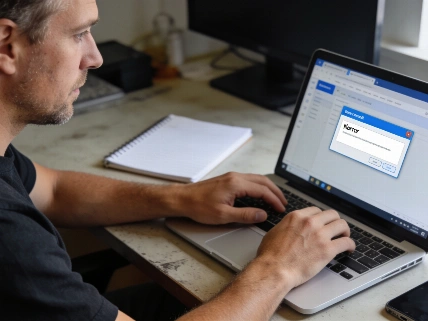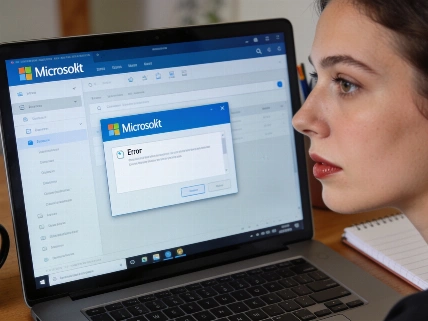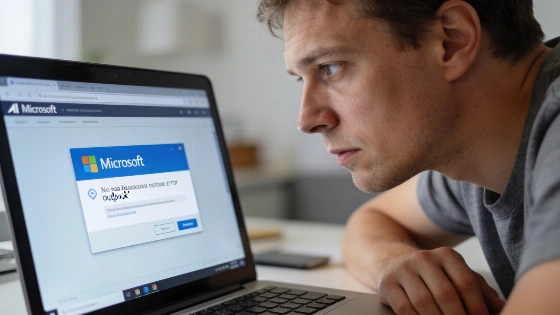
The error code [pii_email_019b690b20082ef76df5] in Microsoft Outlook can block email sending or receiving, which leaves users looking for a fix that actually works. This guide lays out practical steps to get Outlook running again.
Understanding the Error Code
The [pii_email_019b690b20082ef76df5] error shows up when Outlook stops working as it should. Users often spot this issue while juggling more than one email account in Outlook or when the software hasn't been updated. Microsoft hasn't listed this code as a standard error or released an official explanation. Microsoft community forums point to possible causes like multiple accounts, cache problems, outdated software, and SMTP issues, but these remain possible—not proven—reasons. The best way to start troubleshooting is to check if the problem happens only in the desktop app or also in Outlook on the web. This helps pinpoint whether the trouble is on your device or tied to your account or mail server settings (Microsoft Learn Q&A).
Common Causes
Several factors may contribute to the appearance of this error code:
- Running an outdated version of Microsoft Outlook. Microsoft 365 Apps updates cover Microsoft 365 Apps for enterprise and business, Project Online Desktop Client, and Visio Plan 2 desktop applications (Microsoft Update Catalog).
- Managing two or more email accounts in one Outlook window.
- Corrupted cache data within the application.
- Conflicts with other installed applications on Windows.
- SMTP server disputes during email transmission, including authentication or server-side settings issues.
Microsoft's advice for third-party mailboxes stresses checking several server-side settings: account type, incoming and outgoing server names, ports, encryption, SMTP authentication, username format, and whether an app password is needed. Password prompts or send failures can also come from account lockout, password expiration, disabled IMAP/SMTP access, a changed TLS certificate, or a provider security-policy change. Always get the provider’s current configuration and compare it with Outlook’s account settings, especially after turning on multifactor authentication. Avoid changing ports or encryption settings just because another provider uses them.
Step-by-Step Solutions
- Identify Your Outlook Version: Microsoft separates New Outlook for Windows from classic Outlook. Troubleshooting steps differ. Classic Outlook profile-repair and .ost-file fixes don't work for New Outlook, which uses its own diagnostics and logging. Skip classic Outlook profile-repair or .ost deletion steps if you use New Outlook for Windows.
- Test Webmail Access: See if the error appears in both Outlook for Windows and Outlook on the web. If sending fails in both, fixing or recreating the Outlook profile won't solve a server-side Exchange Online rejection. In these cases, focus on account, authentication, mailbox, or service-policy issues instead of client-side corruption.
- Update or Reinstall Microsoft Outlook: Look for updates to make sure you're running the latest version. If updating doesn't help, uninstall Outlook and reinstall it. This can clear out corrupted files and restore missing components that might trigger the error. While updating is routine, there's no proof that an update directly fixes this error code.
- Clear Cache and Manage Accounts: Remove extra accounts from Outlook and clear cached data. This can help resolve conflicts when multiple accounts are active in the same app. Still, managing multiple accounts or clearing cache hasn't been confirmed as the root cause of this specific code.
- Check for Application Conflicts: Review other installed apps on your Windows device that could interfere with Outlook. Disabling or uninstalling conflicting software might resolve the error.
- Verify Server-Side Settings: For third-party mailboxes, confirm all server-side settings with your provider. Don't change ports or encryption settings based on another provider’s setup. SMTP authentication is a separate server-side feature; webmail and receiving might work while SMTP client submission is blocked, causing an authentication failure on outgoing mail. In these cases, escalate to your mail provider or Microsoft support to check the mailbox’s SMTP-authentication status.
- Use Built-In Diagnostics (New Outlook): For New Outlook, use the app’s built-in diagnostic path: select Help → Get Diagnostics, then upload or send diagnostic logs with the failure time and code. This gives Microsoft support details about a client-specific problem.
- Create a Test Profile (Classic Outlook): If you use classic Outlook and suspect local profile damage, create a separate test profile instead of deleting the existing one right away. Close Outlook, open Control Panel’s Mail settings, select “Show Profiles,” add a new profile, and set up the mailbox again. If the test profile works, make it the default after confirming that required mailbox data is available.
- Contact Customer Support: If none of these steps work, contact Microsoft customer support for more help. When reporting the error, give the provider the sender, recipient, timestamp, full non-delivery report, and failure code if server-side delivery is involved.
Important Considerations
Trying to fix Outlook errors without knowing the Windows Registry or system files can cause more trouble. If you’re unsure about any step, get professional help or check official Microsoft resources before changing your system. Microsoft’s available guidance does not confirm that [pii_email_019b690b20082ef76df5] matches a documented Microsoft-wide outage, product recall, regulatory action, or officially catalogued Outlook defect. The best approach is to test webmail, check if the issue affects sending or receiving, determine if the client is New Outlook or classic Outlook, and verify server authentication settings. If webmail works but Outlook fails, use client diagnostics or a classic-Outlook test profile; if both fail, investigate the mailbox or service provider first.