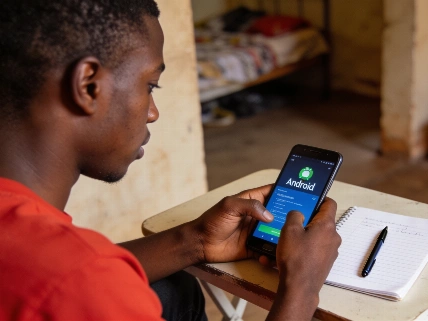
Building a Python Todo App on Android Without a Laptop
Discover how to create a simple command-line Todo app in Python directly on an Android device using Pydroid 3, with practical steps for managing tasks and saving them to a file.
Learn how to mirror server-only files into a Git repository manifest to detect and manage configuration drift without altering your production server.
Explore how Python names variables, reserves keywords, and stores different types of data with practical examples and essential rules for beginners.
Explore how recursion works in Python through hands-on examples like countdowns, factorials, Fibonacci numbers, and list summing. Learn to identify base cases, understand the call stack, and avoid common mistakes as you build your programming skills.
Learn how the OpenAI Python SDK manages retries for network and server errors, how to set effective timeouts, and why logging request IDs is essential for debugging and tracing failed API calls.
Understanding indentation is essential for anyone starting with Python. This guide explains how indentation works, why it matters, and how to avoid common errors that can disrupt your code.
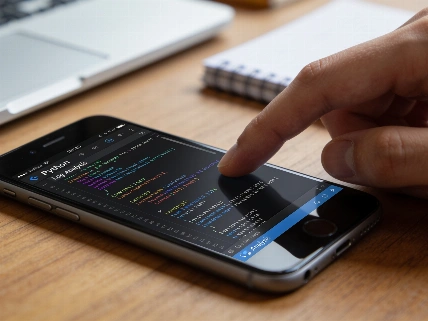
Learn how to analyze fictional server logs with a Python script on your iPhone to identify failing endpoints, measure request latency, and spot unusually slow requests—all without needing a real server or network connection.
Explore how three convolutional neural networks trained on MNIST demonstrate the trade-off between model accuracy and computational efficiency, with hands-on Python and PyTorch examples.
Discover how to rewrite tail-recursive Python functions into efficient while loops using AST manipulation, enabling deep recursion without hitting stack limits.
Python code that runs without errors can still produce incorrect results if you compare strings and integers. Learn how this common mistake affects age-checking programs and how to fix it.
A naval architecture student in Bangladesh shares the impact of dedicating 30 days exclusively to Python, revealing how quitting language switching led to real project completion and deeper learning.
Learn how to design a simple accounts payable approval workflow in Python for early-stage startups. This guide explains how to automate bill checks, reduce payment errors, and make liabilities visible before investing in a dedicated AP platform.
Learn how to implement a production-ready Python server for ZKTeco biometric terminals using the undocumented ADMS protocol, including solutions for timezone synchronization and retransmission bugs.
Learn how to assess financial machine learning models across different prediction horizons using Python, with a focus on forward returns, signal decay, and managing overlapping labels for better trading decisions.
Learn how git rebase can help you maintain a readable project history, when to use it instead of merge, and how to handle conflicts with real-world examples.
Learn how to build a streamlined ETL pipeline in Python with DuckDB 2.0, turning a disorganized sales CSV into a clean table and Parquet file while understanding each transformation step.
Learn how to use Python to flag overlapping narration and source audio in video recaps, with a step-by-step example based on a fictional basketball game scenario.
Learn how to convert a PDF file into a structured Word document using Python, PyMuPDF, and python-docx. This guide explains the layout analysis process, provides a working code example, and discusses key challenges in PDF-to-Word conversion.
Learn how to make scanned PDFs dramatically smaller by resampling embedded images with Python. This guide explains the process, provides a working script, and compares results with a desktop PDF optimization app.
Learn how to use Python's standard library to check if sensitive metadata has been removed from XLSX files and ensure that workbook content remains unchanged after cleanup.
Learn how to automate mail merge using Python, python-docx, and openpyxl by filtering spreadsheet data and stamping records into Word templates. This hands-on guide demonstrates the process with real code and practical tips for handling common pitfalls.
Learn how Python lists, sets, and dictionaries handle data as your programs grow, and discover which container keeps your code running quickly.
Learn how to reconcile hard security tag removals with tagged item sales using a concise Python script. This guide helps retail teams quickly identify mismatches and improve loss prevention processes.
Python scripts that read text files may work on Linux but fail on Windows due to differences in default file encoding. Learn how to prevent UnicodeDecodeError by specifying encoding explicitly in your code.
Discover how maintaining a simple text-based style sheet and a short Python script can help writers enforce consistent terminology and spelling across drafts.
A firsthand look at the challenges and breakthroughs from fifty days of writing Python articles in public, including what actually works, what fails, and how persistence shapes real progress.
Explore the technical design and educational value of NEBULA, a solo-developed Python blockchain project inspired by Bitcoin's proof-of-work model. This article examines its features, code review needs, and practical learning opportunities for aspiring blockchain developers.
A subtle Python bug can cause functions to remember data from previous calls when using mutable default arguments. Learn why this happens, how to spot it, and the correct way to define function parameters to avoid unexpected behavior.
Learn how to use a Python model to determine a realistic founder salary at the seed stage, factoring in runway, payroll taxes, and hiring plans for your startup.
Learn how to create a Python tool that finds and validates sensitive personal data in databases and CSV files, reducing false positives and improving data inventory accuracy.