Transform Messy Git Commits into a Clear Project History
Learn how to use Git's interactive rebase to combine, reorder, and clean up confusing commit sequences, turning scattered changes into a readable project history.
Explore how Git branching and merging workflows help developers work together on the same project, resolve conflicts, and integrate changes efficiently. Learn the essential commands and strategies for collaborative software development.
Learn how to mirror server-only files into a Git repository manifest to detect and manage configuration drift without altering your production server.
Explore how Python names variables, reserves keywords, and stores different types of data with practical examples and essential rules for beginners.
Explore how recursion works in Python through hands-on examples like countdowns, factorials, Fibonacci numbers, and list summing. Learn to identify base cases, understand the call stack, and avoid common mistakes as you build your programming skills.
Understanding indentation is essential for anyone starting with Python. This guide explains how indentation works, why it matters, and how to avoid common errors that can disrupt your code.
Learn how to restore lost commits in Git after a hard reset, deleted branch, or rebase error using reflog and fsck. This guide explains step-by-step recovery methods for typical mistakes, with real command examples and practical advice for beginners.
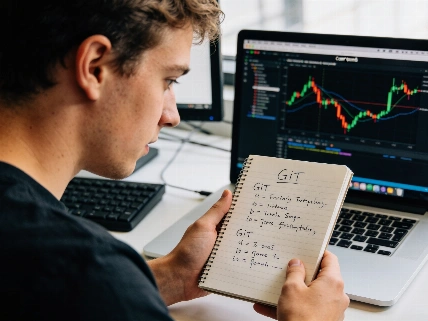
Learn how to use Git for tracking code changes and collaborating on projects with this step-by-step introduction to the most important commands.
A detailed look at two weeks of Claude Code transcripts reveals that subagents handle most shell commands while main sessions take on nearly all risky git operations, offering insight into parallel session workflows and command safety.
Learn how interactive rebase empowers developers to rewrite Git history, combine or split commits, change commit order, and safely remove mistakes, with step-by-step examples and essential precautions.
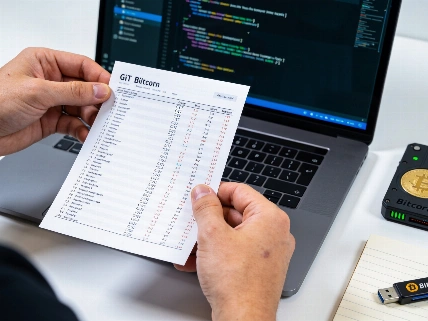
Learn how to create a verifiable record of programming predictions using SHA-256 hashes, Git version control, and Bitcoin blockchain timestamps. This guide explains a workflow for public proof that coding forecasts were made before outcomes, with practical steps for reproducibility.
Discover how writers can use five core Git commands to track changes, recover lost paragraphs, and organize article drafts with confidence.
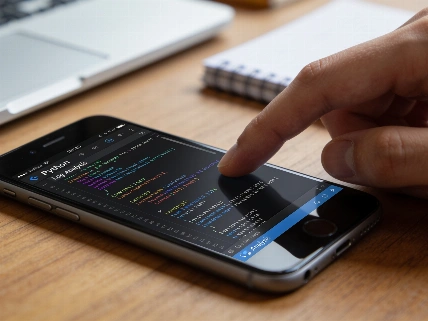
Learn how to analyze fictional server logs with a Python script on your iPhone to identify failing endpoints, measure request latency, and spot unusually slow requests—all without needing a real server or network connection.
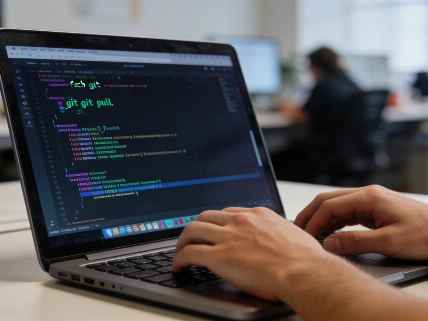
Explore how git fetch, git pull, and git pull --rebase affect your local branches, handle divergent histories, and help you manage updates in collaborative development.
Explore how three convolutional neural networks trained on MNIST demonstrate the trade-off between model accuracy and computational efficiency, with hands-on Python and PyTorch examples.
Discover how to rewrite tail-recursive Python functions into efficient while loops using AST manipulation, enabling deep recursion without hitting stack limits.
Python code that runs without errors can still produce incorrect results if you compare strings and integers. Learn how this common mistake affects age-checking programs and how to fix it.
Many developers rely on a handful of familiar Git commands, but real efficiency comes from understanding the core ideas behind version control. This guide explains the essential concepts that make Git less intimidating and more powerful for everyday coding.
A naval architecture student in Bangladesh shares the impact of dedicating 30 days exclusively to Python, revealing how quitting language switching led to real project completion and deeper learning.
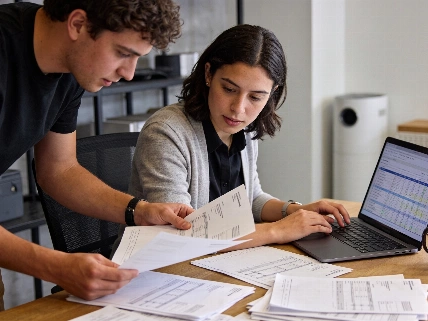
Learn how to design a simple accounts payable approval workflow in Python for early-stage startups. This guide explains how to automate bill checks, reduce payment errors, and make liabilities visible before investing in a dedicated AP platform.
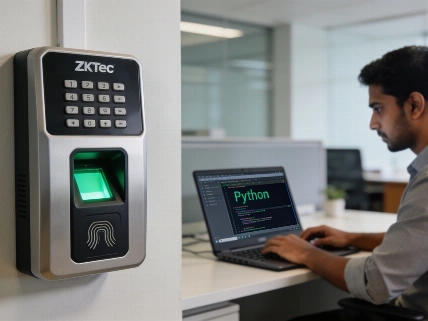
Learn how to implement a production-ready Python server for ZKTeco biometric terminals using the undocumented ADMS protocol, including solutions for timezone synchronization and retransmission bugs.
New developers often encounter confusing Git errors that can disrupt their workflow. This guide explains the meaning behind frequent Git problems and provides step-by-step solutions for each, helping beginners build confidence with version control.
Learn how git merge, rebase, and squash affect your project's commit history and discover when each method is best for your workflow. This guide uses tested examples to clarify the impact of each approach.
Learn how git rebase can help you maintain a readable project history, when to use it instead of merge, and how to handle conflicts with real-world examples.
Learn how to build a streamlined ETL pipeline in Python with DuckDB 2.0, turning a disorganized sales CSV into a clean table and Parquet file while understanding each transformation step.
Learn how to use Python to flag overlapping narration and source audio in video recaps, with a step-by-step example based on a fictional basketball game scenario.
Learn how to convert a PDF file into a structured Word document using Python, PyMuPDF, and python-docx. This guide explains the layout analysis process, provides a working code example, and discusses key challenges in PDF-to-Word conversion.
Learn how to automate mail merge using Python, python-docx, and openpyxl by filtering spreadsheet data and stamping records into Word templates. This hands-on guide demonstrates the process with real code and practical tips for handling common pitfalls.
Learn how Python lists, sets, and dictionaries handle data as your programs grow, and discover which container keeps your code running quickly.
Learn how to reconcile hard security tag removals with tagged item sales using a concise Python script. This guide helps retail teams quickly identify mismatches and improve loss prevention processes.