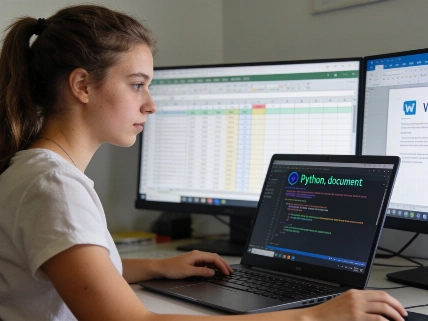

Understanding Python Identifiers Keywords and Data Types
Explore how Python names variables, reserves keywords, and stores different types of data with practical examples and essential rules for beginners.
Explore how recursion works in Python through hands-on examples like countdowns, factorials, Fibonacci numbers, and list summing. Learn to identify base cases, understand the call stack, and avoid common mistakes as you build your programming skills.
Learn how the OpenAI Python SDK manages retries for network and server errors, how to set effective timeouts, and why logging request IDs is essential for debugging and tracing failed API calls.
Understanding indentation is essential for anyone starting with Python. This guide explains how indentation works, why it matters, and how to avoid common errors that can disrupt your code.
Learn how to restore lost commits in Git after a hard reset, deleted branch, or rebase error using reflog and fsck. This guide explains step-by-step recovery methods for typical mistakes, with real command examples and practical advice for beginners.
Explore 100 carefully selected would you rather questions designed to encourage discussion, reflection, and decision-making in classrooms, training sessions, and professional development. Learn how to use these prompts to support learning goals and group dynamics.
This guide explains how a structured review process can improve the quality of eLearning content, offering practical principles for giving feedback that supports instructional design and enhances the learner experience.
This guide explores how to create interactive customer training programs that help users master your product, reduce support needs, and build lasting engagement using iSpring Suite and iSpring LMS.
Learn how to use Git for tracking code changes and collaborating on projects with this step-by-step introduction to the most important commands.
Learn how to spot early signs of adoption decay after a new process or tool launch, use a six-driver assessment to measure risk, and take targeted action before performance gains disappear.
Adaptive learning uses data-driven methods to tailor training for employees with different backgrounds and skill levels. This guide explains how adaptive learning works, its core components, and the practical benefits and challenges for organizations.
Many learning management systems are missing from AI-generated recommendations, even when they rank well in traditional search. This guide explains why LMS platforms may be overlooked by AI assistants and offers actionable steps for vendors to improve their visibility and credibility in AI-driven buying conversations.
Learn how interactive rebase empowers developers to rewrite Git history, combine or split commits, change commit order, and safely remove mistakes, with step-by-step examples and essential precautions.
This guide explains how Learning and Development professionals can develop a focused podcast guest strategy, from identifying the right shows to preparing for impactful appearances and measuring results.
This guide explains how learning and development leaders can expand field training by keeping expert trainers focused on coaching, using existing materials, centralizing training records, and building effective development partnerships.
Learn how to create a verifiable record of programming predictions using SHA-256 hashes, Git version control, and Bitcoin blockchain timestamps. This guide explains a workflow for public proof that coding forecasts were made before outcomes, with practical steps for reproducibility.
Explore a structured approach to integrating AI into learning and assessment, including key safeguards, practical examples, and essential questions to ask before automating educational decisions.
Discover how writers can use five core Git commands to track changes, recover lost paragraphs, and organize article drafts with confidence.
This article explores the most important management skills, provides real-world examples, and explains how learning and development teams can help managers build, assess, and showcase these capabilities.
A well-crafted learning brief can prevent misaligned training projects, reduce last-minute changes, and ensure everyone shares a clear understanding of goals, scope, and responsibilities. This guide explains how to create a learning brief that actually gets used.
Discover how L&D teams can move beyond basic completion rates by focusing on business questions, integrating operational data, and designing reports that drive leadership decisions.
Learn how to transform performance review insights into a focused 90 day development plan that supports real skill growth and measurable progress for employees.
Discover how classroom management shapes learning environments, why it extends beyond discipline, and which strategies help teachers create safe, engaging, and productive classrooms with the support of routines, relationships, and educational technology.
Python code that runs without errors can still produce incorrect results if you compare strings and integers. Learn how this common mistake affects age-checking programs and how to fix it.
Many developers rely on a handful of familiar Git commands, but real efficiency comes from understanding the core ideas behind version control. This guide explains the essential concepts that make Git less intimidating and more powerful for everyday coding.
Learn how git rebase can help you maintain a readable project history, when to use it instead of merge, and how to handle conflicts with real-world examples.
Learn how to build a streamlined ETL pipeline in Python with DuckDB 2.0, turning a disorganized sales CSV into a clean table and Parquet file while understanding each transformation step.
Learn how to convert a PDF file into a structured Word document using Python, PyMuPDF, and python-docx. This guide explains the layout analysis process, provides a working code example, and discusses key challenges in PDF-to-Word conversion.
Learn how to automate mail merge using Python, python-docx, and openpyxl by filtering spreadsheet data and stamping records into Word templates. This hands-on guide demonstrates the process with real code and practical tips for handling common pitfalls.
Learn how Python lists, sets, and dictionaries handle data as your programs grow, and discover which container keeps your code running quickly.